Navigating Succession Planning: Is it a Threat to Job Security or a Stepping Stone for Professional Growth?
-

Umair Durrani
-
May 16, 2024
-
417
This blog delves into the nuances of succession planning, exploring whether it poses a threat to job stability or serves as a ladder for personal and professional growth.
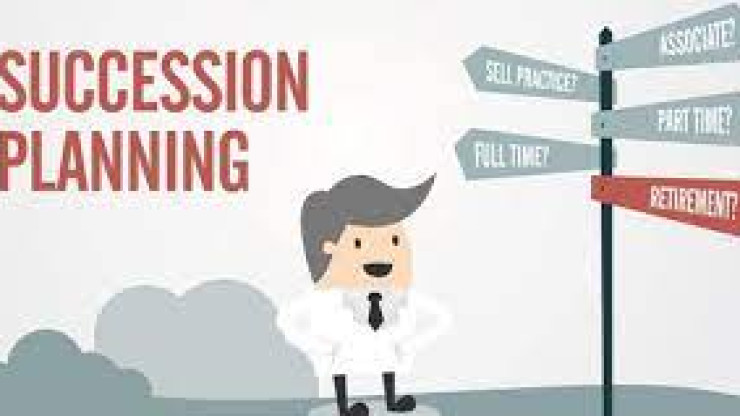
Understanding Succession Planning: Succession planning is a strategic process through which organizations identify and develop internal talent to fill key leadership roles. It involves assessing current employees' capabilities, identifying potential successors, and implementing training and development programs to groom them for future responsibilities. While this practice benefits companies by ensuring continuity and minimizing disruptions, its implications for individual employees vary widely.
Perceived Threat to Job Security: One of the primary concerns surrounding succession planning is the perceived threat to job security. Employees may fear that grooming successors could make their positions redundant or increase competition for promotions. This anxiety is particularly prevalent in hierarchical organizations where advancement opportunities may seem limited.
Factors Mitigating Job Threats: However, it's crucial to recognize that effective succession planning can actually enhance job security in several ways. Firstly, it promotes a culture of continuous learning and skill development, equipping employees with the tools they need to adapt to changing roles and responsibilities. Moreover, by fostering a talent pipeline within the organization, succession planning reduces the need for external hiring and reinforces internal career progression.
Empowering Career Growth: Rather than being a threat, succession planning can be a powerful catalyst for career growth. It provides employees with clear pathways for advancement, encouraging them to set ambitious goals and strive for excellence in their roles. Knowing that their contributions are recognized and valued can boost morale and motivation, leading to higher job satisfaction and engagement.
Key Strategies for Leveraging Succession Planning: To leverage the benefits of succession planning effectively, both organizations and employees can adopt strategic approaches:
- Embrace a Growth Mindset: Employees should view succession planning as an opportunity for growth rather than a threat. Embracing a growth mindset fosters resilience, adaptability, and a willingness to take on new challenges.
- Proactive Skill Development: Engage in ongoing learning and skill development to stay relevant and competitive within the organization. Seek feedback, take on stretch assignments, and invest in professional development opportunities.
- Build Strong Relationships: Cultivate positive relationships with mentors, peers, and leaders within the organization. Networking and collaboration can open doors to new opportunities and support career advancement.
- Communicate Goals and Aspirations: Be proactive in communicating your career goals and aspirations to your manager or HR department. This ensures alignment between your ambitions and the organization's succession planning initiatives.
Conclusion: In conclusion, while succession planning may initially evoke concerns about job security, it ultimately serves as a ladder for personal and professional growth. By embracing the opportunities it presents, employees can navigate their careers with confidence, leveraging their skills and experiences to reach new heights within the organization. Succession planning, when approached strategically, becomes not just a corporate strategy but a pathway to individual success and fulfillment.

Related Blog Posts




Popular Posts
-

-

-

-
 HR: The Backbone of the Company May 22, 2024
 -