HR Isn't Just HR Anymore: The People-First Revolution in a Global, AI World
-

Umair Durrani
-
Feb 04, 2026
-
158
Forget the Paperwork. HR is Now the Heart of Your Company.
Let’s be honest. For a long time, the Human Resources department got a bad rap. They were the "policy police," the folks who handled the paperwork when you joined and when you left. If you thought of them at all, it was probably about benefits forms or that mandatory training video.
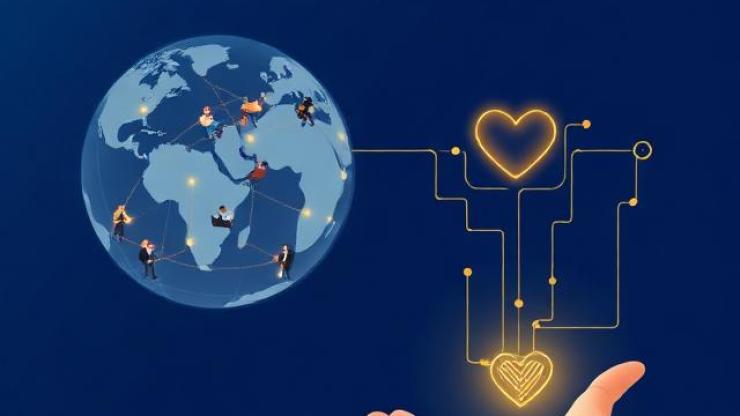
But walk into any thriving company today—from a buzzing startup in Lagos to a corporate giant in Munich—and you’ll find a different story. HR isn't in the background anymore. They’re at the very center of the action. Why? Because in a world that’s changing at lightning speed, the only real competitive edge any company has is its people.
And who’s in charge of the people? Exactly.
HR’s New Global Playbook: It’s Complicated
Running a business in one city is hard. Running one across continents? That’s where modern HR earns its keep.
They’re the Culture Translators. How do you make sure a team in Karachi feels the same sense of belonging and purpose as a team in Stockholm? HR builds the bridges. They take the company's core soul and make it work locally, navigating everything from holiday policies to communication styles.
They’re Global Talent Hunters. The best tech wizard or marketing guru could be anywhere. HR is no longer just placing job ads; they’re crafting a company story that attracts the right people from around the world, and then figuring out how to make their relocation (or remote work) seamless.
They’re the Keepers of Fairness. With different labor laws in every country, someone has to make sure the company plays by the rules. HR protects the company from legal nightmares and, just as importantly, protects employees, ensuring everyone is treated with dignity and respect.
The Ground is Shifting (And HR is Building the New Foundation)
The workplace we knew five years ago is gone. Here’s what HR is grappling with right now:
The Office is Everywhere. The remote/hybrid genie is out of the bottle. HR is now figuring out how to keep a team connected, collaborative, and mentally healthy when they’re spread across twenty different time zones. It’s less about managing attendance and more about fostering connection without the watercooler.
It’s About Skills, Not Just Job Titles. The role you were hired for might not exist in two years. Smart HR is shifting from filling "jobs" to curating a dynamic portfolio of "skills" within the company, encouraging constant learning and internal mobility.
Wellbeing Isn’t a Perk; It’s the Foundation. Burnout is a business risk. The best HR leaders now see their role as creating an environment where people can sustainably do great work—which means championing mental health, true work-life boundaries, and holistic support.
Gut Feel Meets Hard Data. Remember when promotions sometimes felt a bit subjective? HR is now using data to understand patterns: "Why do people leave this department?" "What skills will we need next year?" It’s about making people decisions smarter and fairer.
Enter AI: The New Sidekick, Not the Replacement
This is where it gets interesting. With all these new challenges, HR teams are getting a powerful new sidekick: Artificial Intelligence. And no, it’s not about robots firing people.
Think of it like this: AI handles the repetitive, time-consuming stuff, freeing up humans to do what only humans can do.
Smarter Hiring: Imagine a tool that can instantly sift through hundreds of applications, surface the best fits, and even help remove unconscious bias by focusing on skills first. That means HR can spend more time actually getting to know candidates.
A Personal Touch at Scale: An AI chatbot can answer an employee’s question about their vacation time at 2 AM. Meanwhile, an AI system might notice that someone’s work patterns have changed and quietly suggest to their manager, "Hey, check in with Sam, they might be struggling." It’s about being proactively supportive.
Spotting What We Can’t See: AI can analyze data to spot trends we’d miss—like a subtle pay gap in a certain department or a team that’s at high risk of burnout. It gives HR the superpower to fix problems before they explode.
So, What Does an HR Pro Do Now?
With AI taking the admin off their plates, the role is transforming into something much more strategic and human:
The Culture Chef: They design the employee experience, mixing ingredients like flexibility, purpose, and recognition to create a place where people want to stay.
The Change Guide: They help everyone in the company navigate constant change, from new software to new business models, with empathy and clarity.
The Ethical Compass: As AI tools are used, HR asks the hard questions: "Is this algorithm fair?" "Are we protecting people’s privacy?" They ensure technology serves people, not the other way around.
The Storyteller: They take all that data and analytics and turn it into a compelling story for leadership: "Here’s how investing in our people directly fuels our growth."
The Bottom Line
The old, transactional HR is fading. What’s emerging is something vital: a strategic heartbeat for the organization.
In a disconnected, digital world, we crave more humanity at work, not less. The beautiful irony is that by smartly using AI to handle the mundane, HR professionals can finally focus on what they do best—being human. They can listen, coach, strategize, and build cultures where people feel seen, valued, and empowered to do their best work.
The future of work isn’t about humans versus machines. It’s about using machines to give us back the time to be more human. And that’s a future worth building, together.

Related Blog Posts
Popular Posts
-

-

-
-
 HR: The Backbone of the Company May 22, 2024
 -