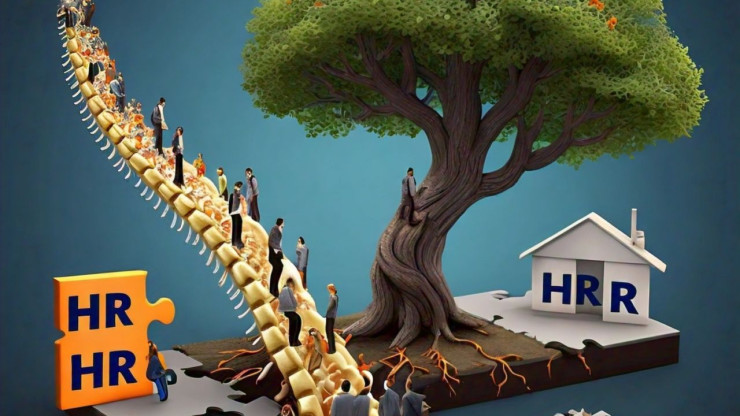
HR: The Backbone of the Company
-

Umair Durrani
-
May 22, 2024
-
953
This blog delves into the multifaceted roles of HR and why it is considered the backbone of any successful company.
The Strategic Role of HR
HR professionals are strategic partners in business operations. They work closely with the executive team to align HR strategies with overall business objectives. This includes workforce planning, talent management, and succession planning. By understanding the company's long-term goals, HR ensures that the organization has the right people in place to achieve these objectives.
Talent Acquisition and Retention
One of the most critical functions of HR is talent acquisition. Attracting top talent is essential for any company looking to maintain a competitive edge. HR departments utilize a variety of strategies to find the best candidates, including leveraging social media, job boards, and recruitment agencies. However, attracting talent is only half the battle. Retaining top performers is equally important. HR professionals create programs and initiatives to keep employees engaged, motivated, and satisfied. This includes career development opportunities, competitive compensation packages, and a positive work environment.
Employee Development and Training
Continuous learning and development are vital for both employees and the organization. HR is responsible for identifying skills gaps and providing training programs to address them. This not only helps employees grow professionally but also ensures that the company remains competitive. Moreover, HR facilitates leadership development programs to prepare the next generation of leaders within the organization.
Ensuring Legal Compliance
Navigating the complex landscape of employment law is another critical responsibility of HR. This includes ensuring compliance with labor laws, health and safety regulations, and anti-discrimination laws. HR professionals must stay updated with changing legislation and implement necessary policies to protect the company from legal issues. This proactive approach minimizes risks and promotes a fair and safe working environment.
Cultivating a Positive Company Culture
A positive company culture is essential for employee satisfaction and productivity. HR plays a key role in shaping and maintaining this culture. This includes defining core values, promoting diversity and inclusion, and ensuring open communication channels. HR initiatives such as team-building activities, recognition programs, and wellness initiatives contribute to a positive and cohesive work environment.
Managing Employee Relations
HR acts as a mediator between management and employees. They handle conflicts, grievances, and disciplinary actions in a fair and consistent manner. Effective employee relations practices help in resolving issues promptly and maintaining a harmonious workplace. This not only boosts morale but also enhances overall productivity.
Enhancing Employee Experience with Technology
The integration of technology in HR processes has revolutionized the way HR functions. Tools such as Human Resource Information Systems (HRIS), performance management software, and recruitment platforms streamline HR tasks, making them more efficient and effective. By leveraging technology, HR can focus more on strategic initiatives rather than administrative tasks.
Conclusion
In conclusion, HR is indeed the backbone of any company. From strategic planning and talent management to ensuring legal compliance and fostering a positive work culture, HR's role is indispensable. Companies that recognize and invest in their HR departments are more likely to achieve sustainable success and growth. As the business landscape continues to evolve, the importance of HR as a strategic partner will only increase, solidifying its position as the backbone of the company.
 has evolved far beyond traditional administrative functions. HR is no longer just about hiring and firing; it has become the backbone of the company, ensuring that the organization runs smoothly, effectively, and ethically.)
Related Blog Posts




Popular Posts
-

-

-

-
 HR: The Backbone of the Company May 22, 2024
 -